Charge Your EV to 80%? Read Your Owner’s Manual First
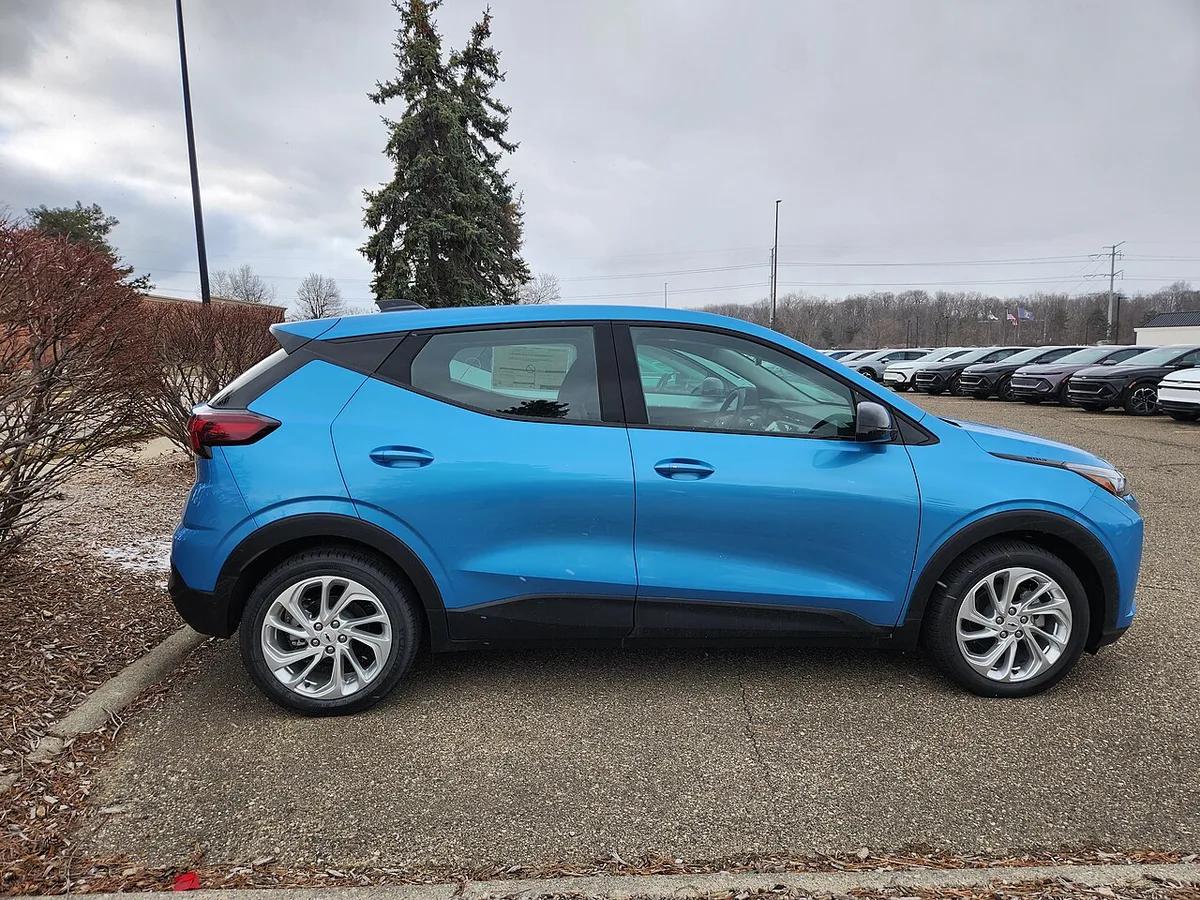
Should you charge your EV to 80%? Musk meant road trips, and Tesla, Ford and GM tell LFP owners to charge to 100%. Here’s why.
Batteries, motors, charging, software — everything under the skin. Explained so you don’t need an engineering degree, without dumbing it down until it stops being true.
Should you charge your EV to 80%? Musk meant road trips, and Tesla, Ford and GM tell LFP owners to charge to 100%. Here’s why.
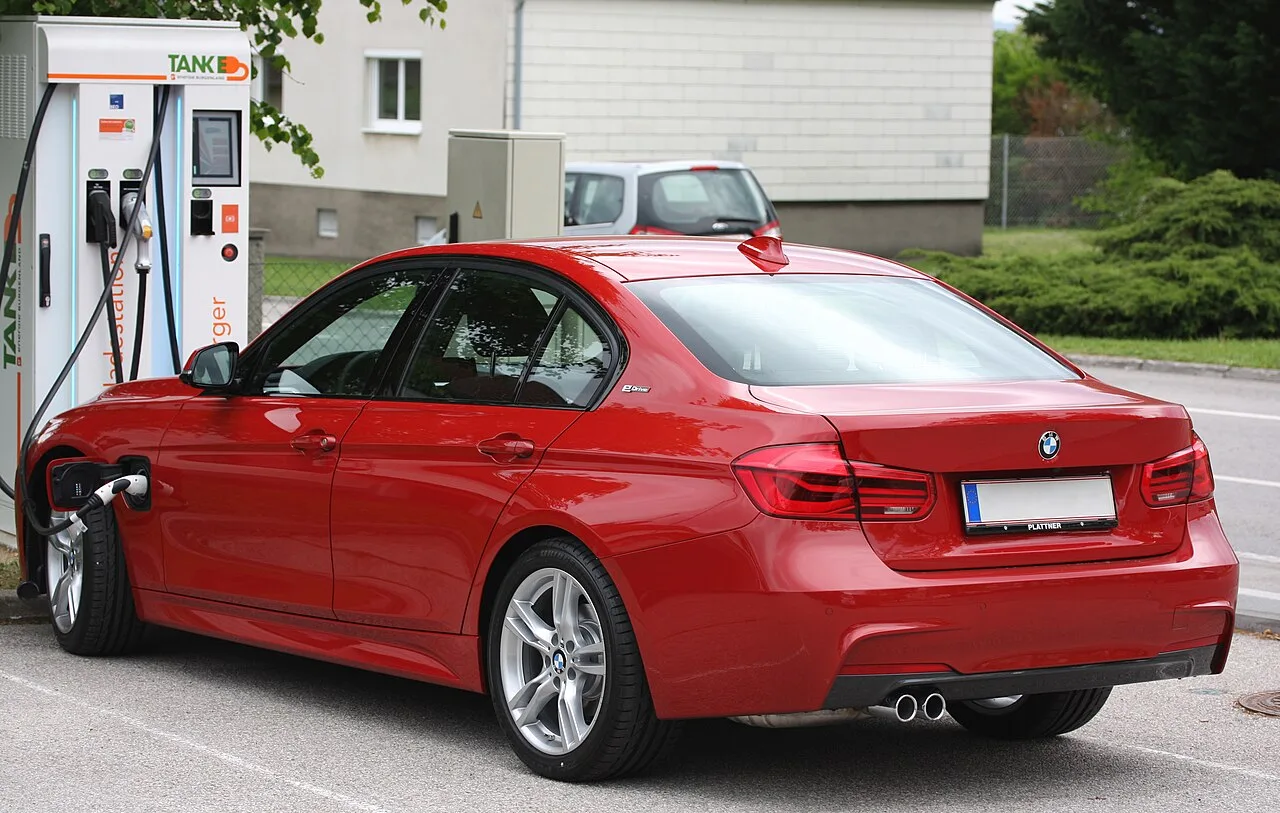
EV AC charging without the brochure: what the onboard charger is, why your car won’t charge at full power, Level 1 vs Level 2, and the NACS connector mess.
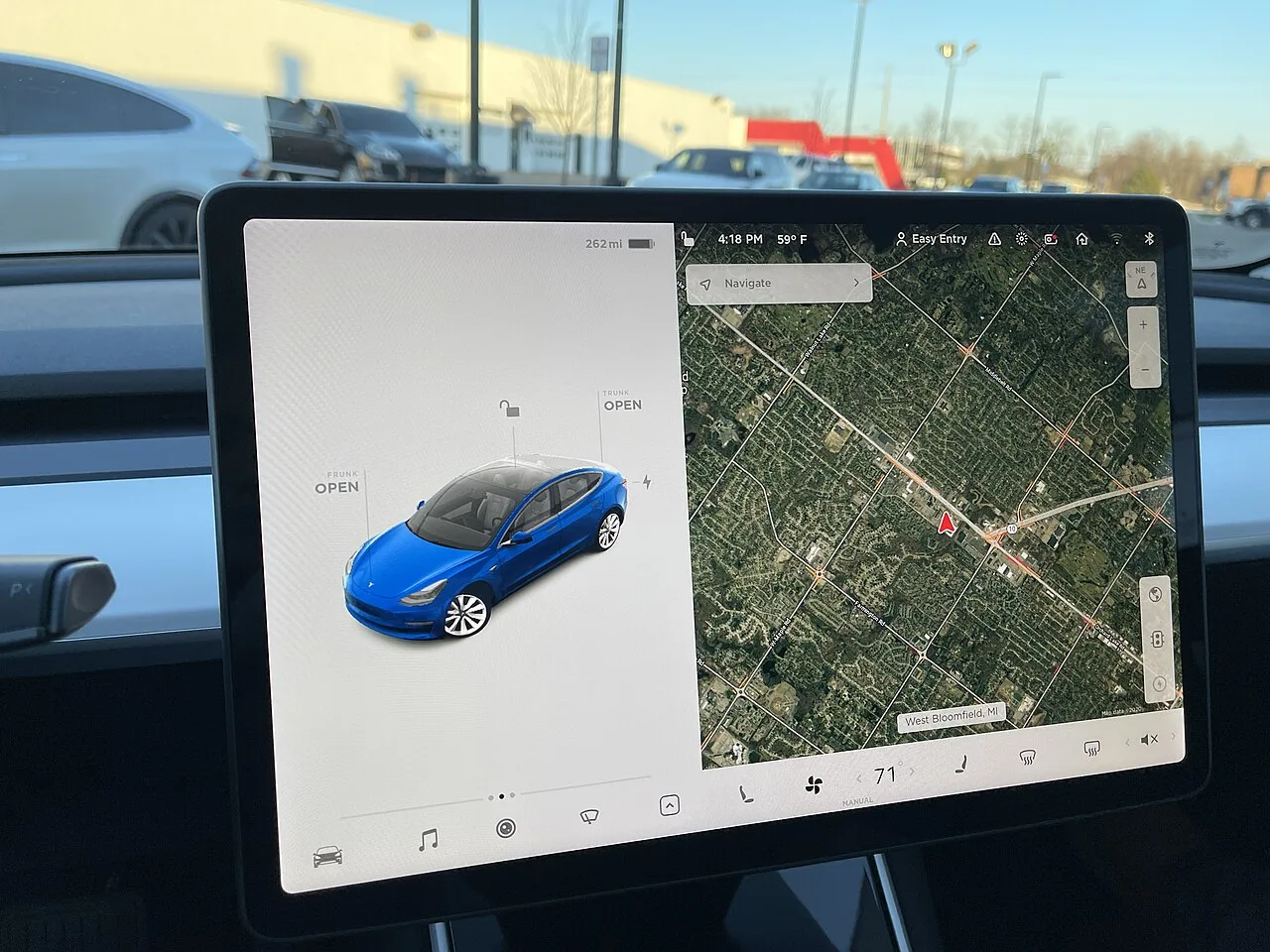
EV over-the-air updates explained: how automakers can add or take away range, charging speed and horsepower remotely, and what happens when the company dies.
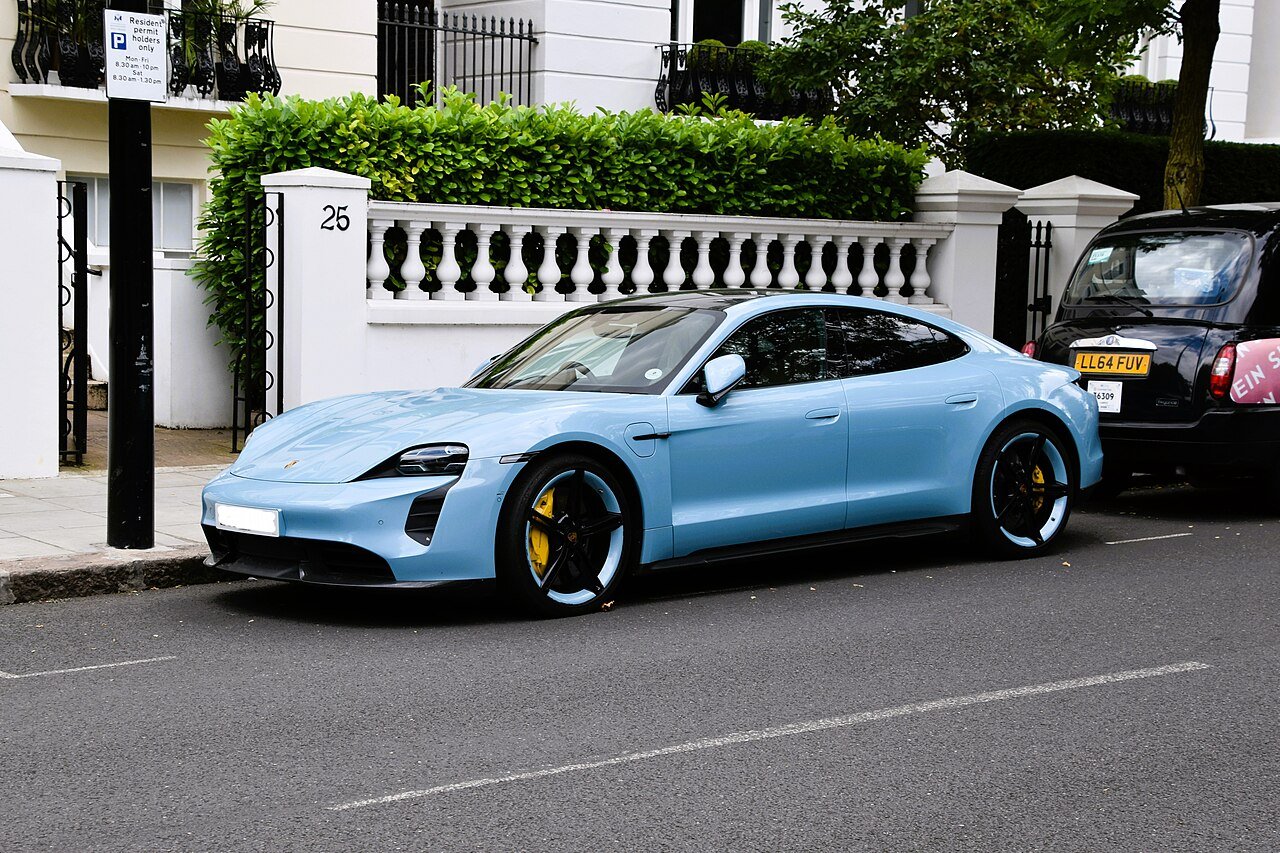
EV transmission explained: why almost every electric car uses one gear, why Porsche and Mercedes fit two, and what’s really behind fake gearshifts in EVs.
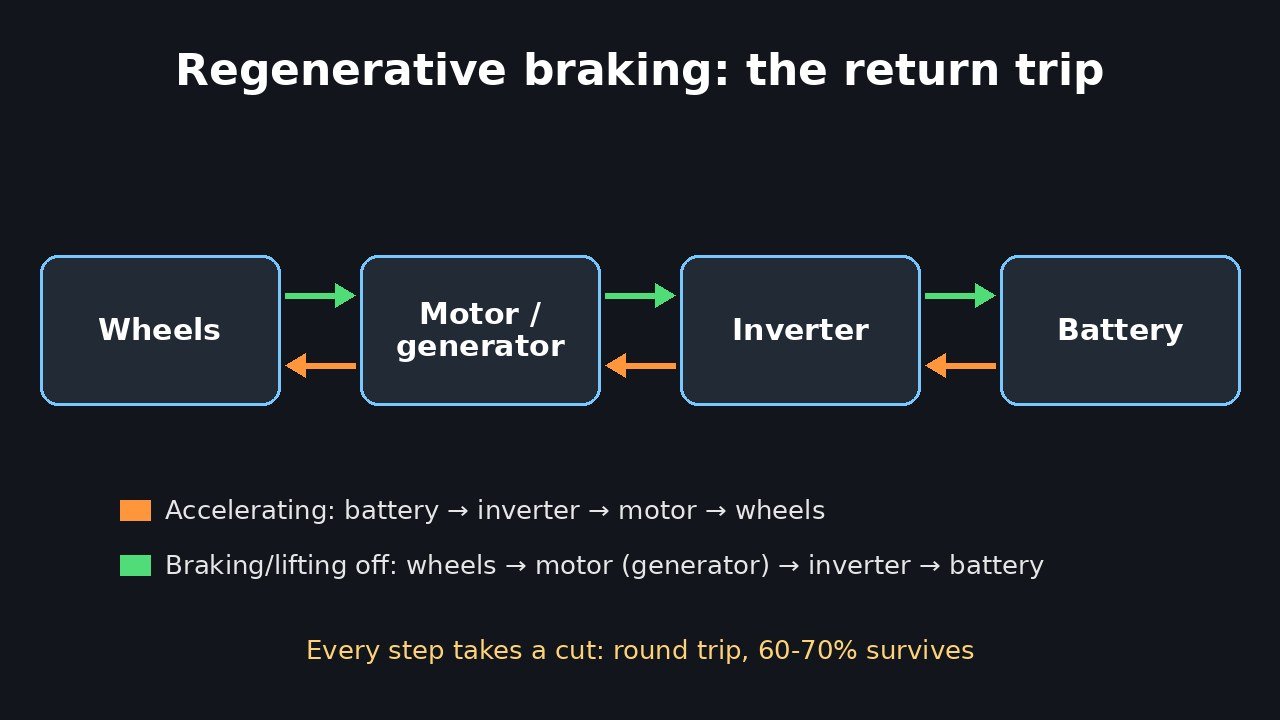
Regenerative braking without the hype: how much energy an EV really recovers, why it fades with a full or cold battery, and why EVs still need real brakes.
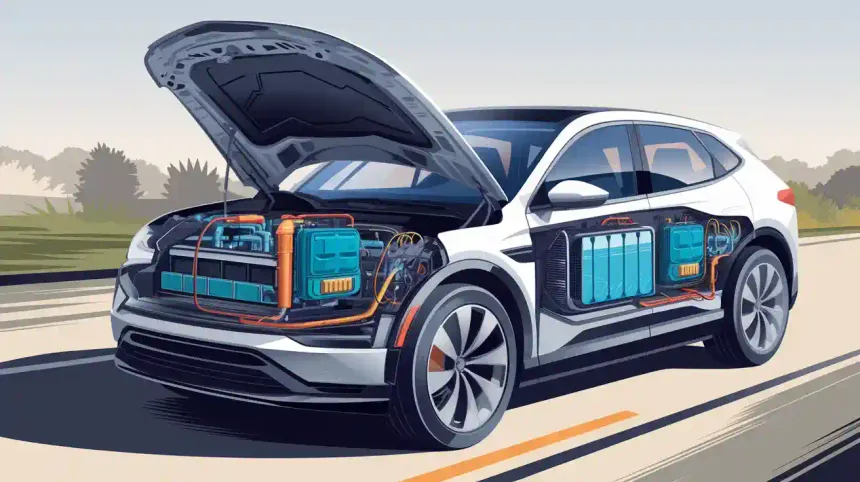
EV Battery Thermal Management: Why Two Identical Cars Age Differently Two EVs with the same battery, bought the same day, can end up one with a healthy pack and the other half-dead in five years. The difference isn’t the chemistry. It’s how they’re cooled. It’s the most invisible part of an electric car and the … Read more
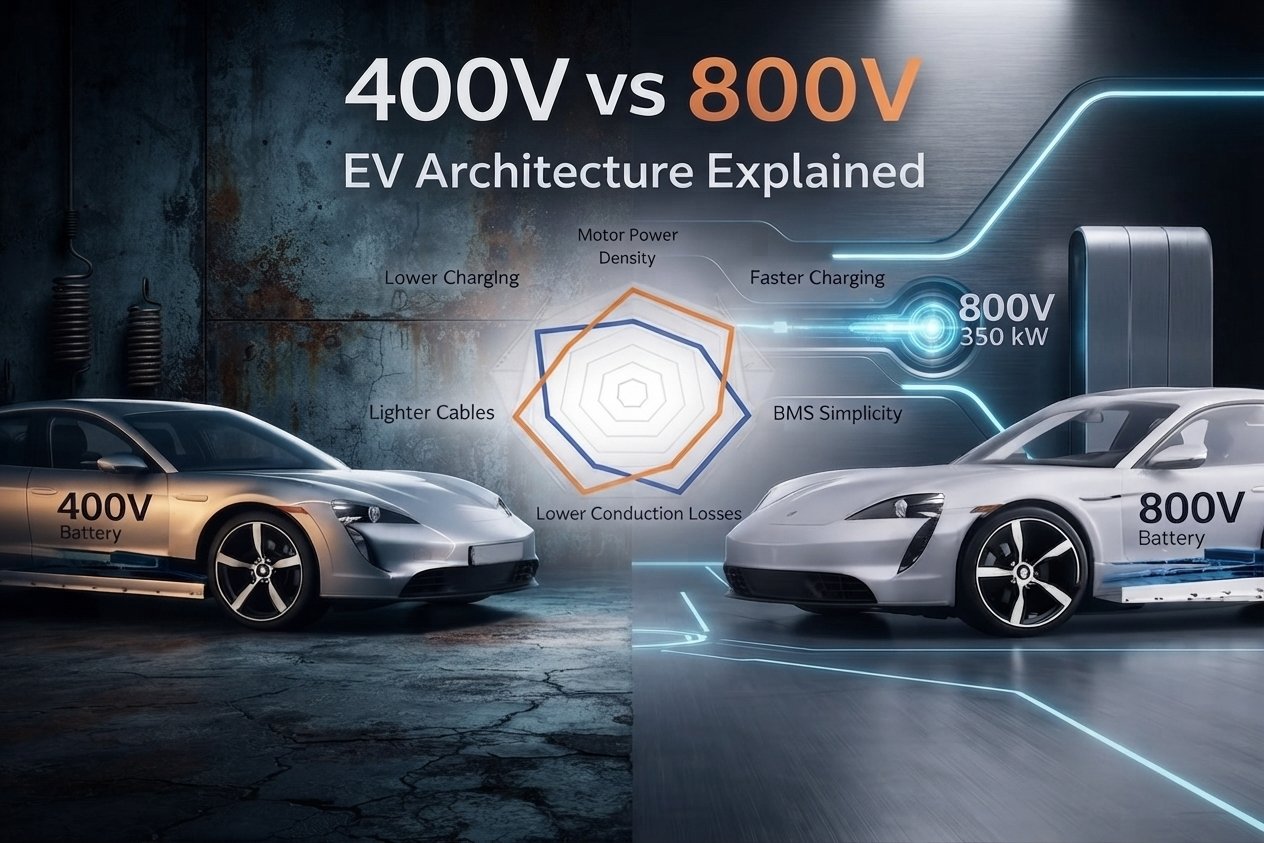
400V vs 800V in EVs: What Actually Changes, and Why It Doesn’t Always Charge Faster The “800 volts” they sell you as ultra-fast charging guarantees absolutely nothing. And there’s a Tesla that proves it. It’s become the new spec-sheet medal. “800-volt architecture!” they announce, as if those three figures were automatic shorthand for charging in … Read more
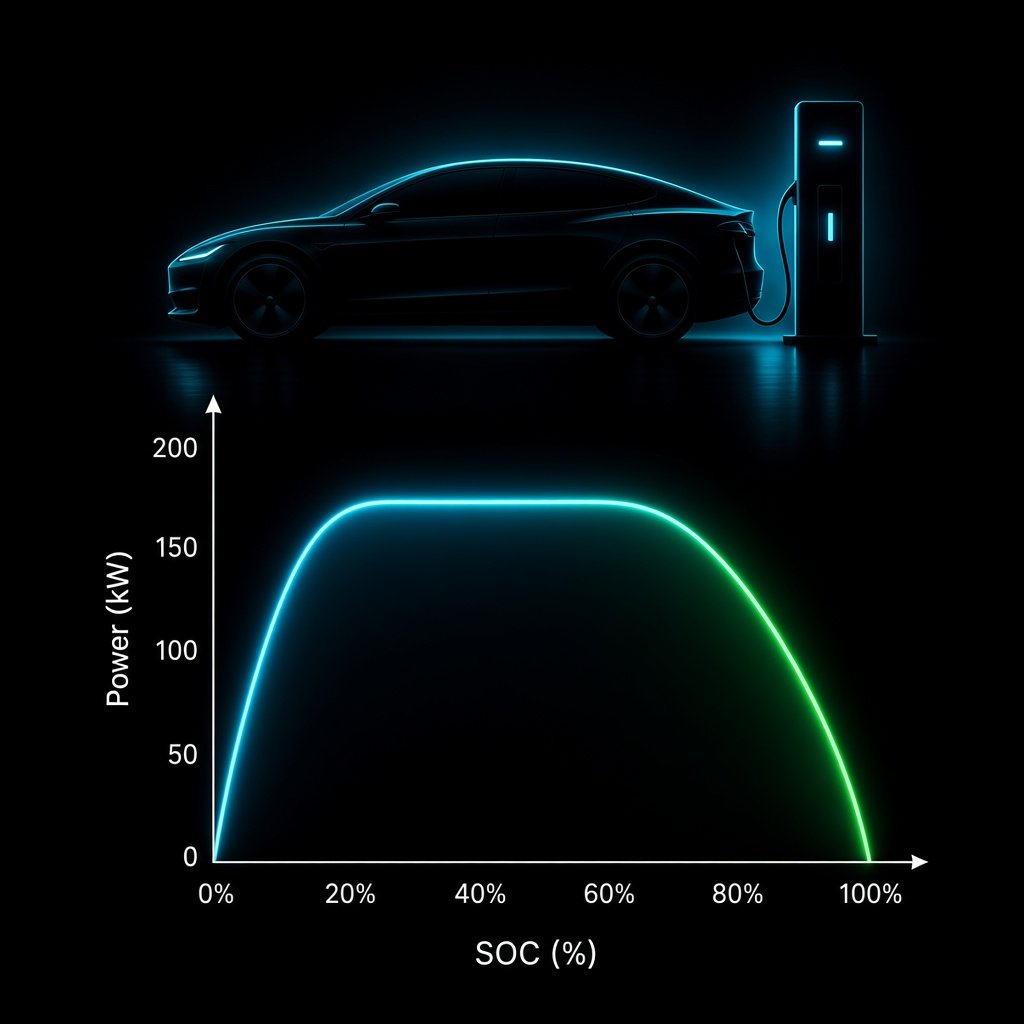
The EV Charging Curve: Why “X kW Peak” Is the Biggest Lie on the Spec Sheet The charging number they show you at the dealership is useless. And they know it. “250 kW charging!” “800-volt architecture!” “The fastest-charging EV on the market!” That huge number heading up every ad, that peak kilowatt figure they hand … Read more
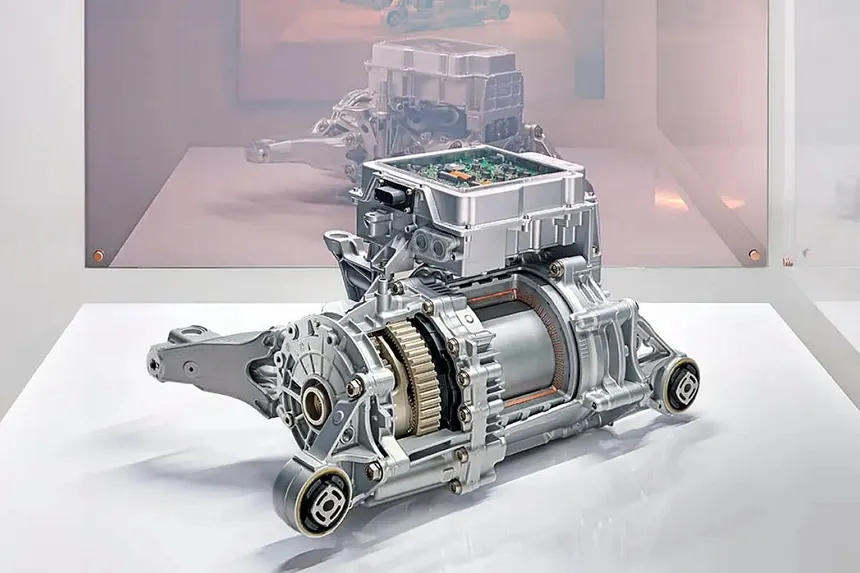
The EV Inverter: The Part That Decides Your Range and That Nobody Talks About Your electric car isn’t moved by the motor. It’s moved by a box the size of a briefcase that almost nobody can name. It’s called the inverter, and it’s the most important component no salesman has ever mentioned to you. While … Read more
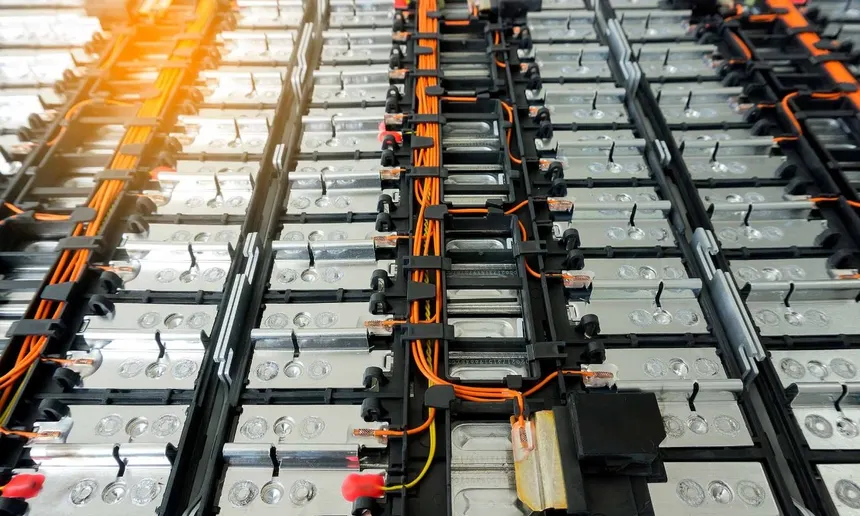
EV Battery Types: The Guide That Takes the Marketing Apart Your EV’s battery doesn’t hold the capacity on the window sticker. And that’s just the opening line. Here’s the proof, straight from Tesla’s own factory. The European Model Y running Tesla’s in-house 4680 pack carries about 79 kWh gross, of which only 74 are usable. … Read more