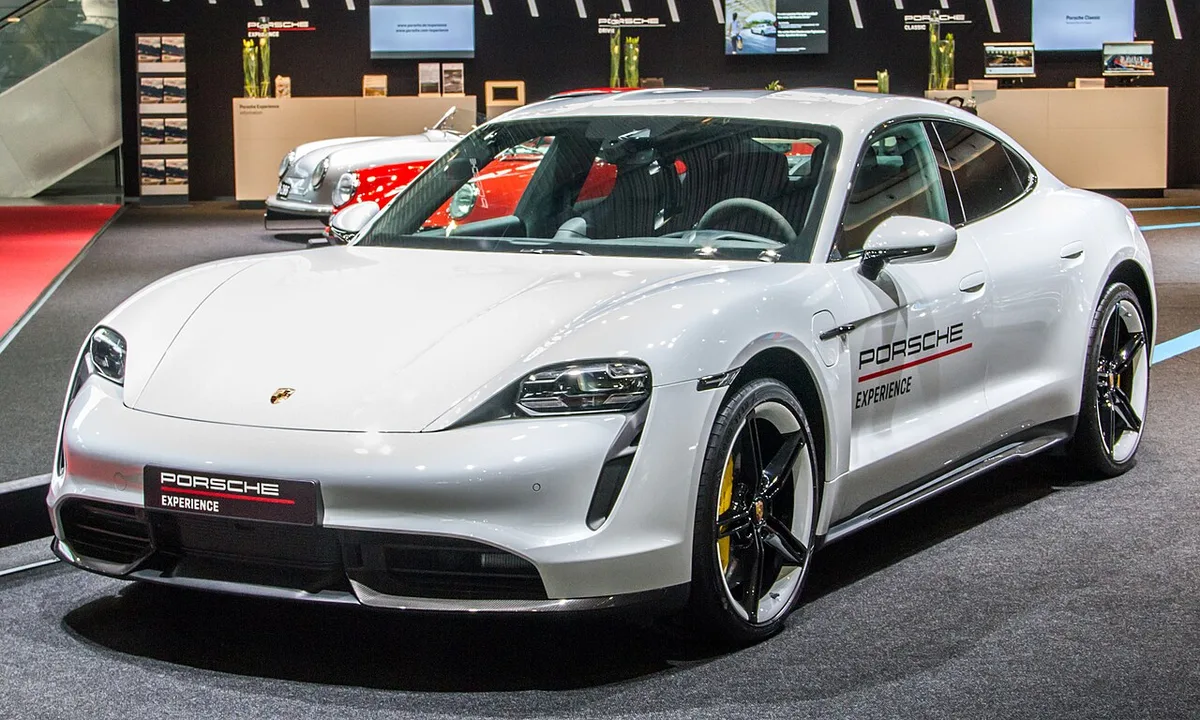
Porsche Taycan: Somebody Else Already Paid for Yours
The smartest way to buy a Porsche Taycan in 2026 is to let somebody else buy it first.
The used market has been screaming it for three years. A car that launched as the electric future of Porsche now loses value faster than almost anything wearing the crest, sells in the U.S. at a fraction of its old pace, and is reportedly headed for the exit by 2030. For the first owner, that’s a gut punch. For the second owner, it might be the deal of the decade. Here’s how Porsche got there, and what you need to check before you sign anything.
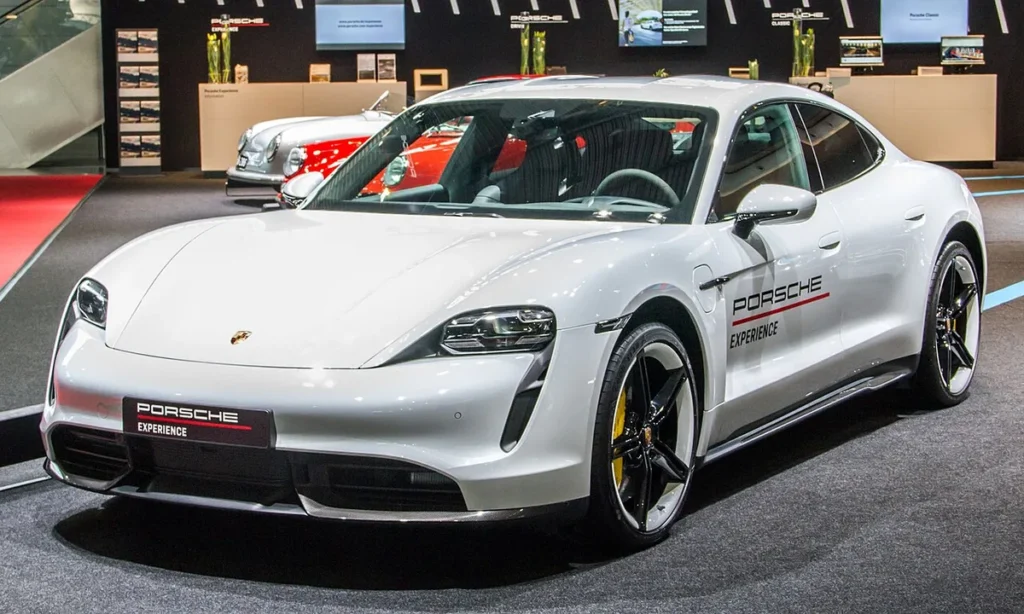
The number that matters: 54.7%
Every year iSeeCars crunches the prices of five-year-old used cars sold in the U.S. Its latest study covers more than 950,000 vehicles sold between March 2025 and February 2026. The Porsche Taycan lost an average of 54.7% of its original sticker over five years. In dollars, that’s $54,403 gone.
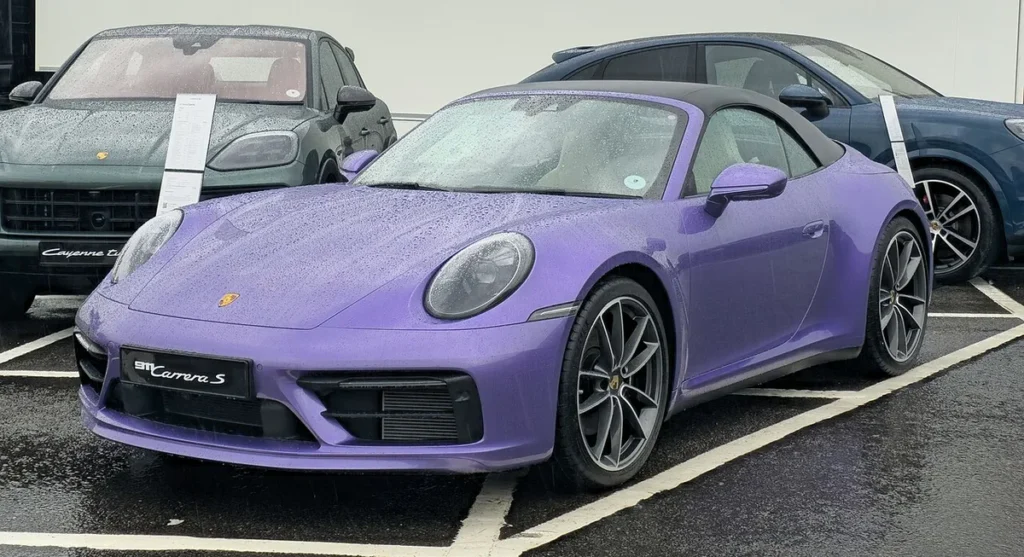
Now look at the car parked next to it in the showroom. The Porsche 911 lost 11.1% in the same study. Same brand, same dealers, same service bays, same crest on the hood. One of them holds its value like real estate. The other drops it like a phone.
The previous edition of the study, covering March 2024 through February 2025, had the Taycan at 60.1% and $59,691. So the number got a little less brutal. It’s still well above the market average of 41.8% and just under the EV average of 57.2%.
The comparison that should keep Tesla fans quiet for a minute: in the latest study, the Tesla Model S lost 62.0%. The Taycan loses a fortune. The Model S loses more.
Then comes the twist that sums up the whole segment. In 2025, Kelley Blue Book gave the Taycan its Best Resale Value award in the luxury electric car category. The car that drops more than half its value in five years is the best in its class at holding value. When the best in class still sheds half its value, nobody in that class should be handing out trophies.
Why the sticker falls off a cliff
Start with how much money is on the table. The 2025 Taycan started at $101,395. The Turbo GT with the Weissach package started at $231,995. At those prices, every percentage point of depreciation is a four-figure check, and on the Turbo GT it’s well past two grand.
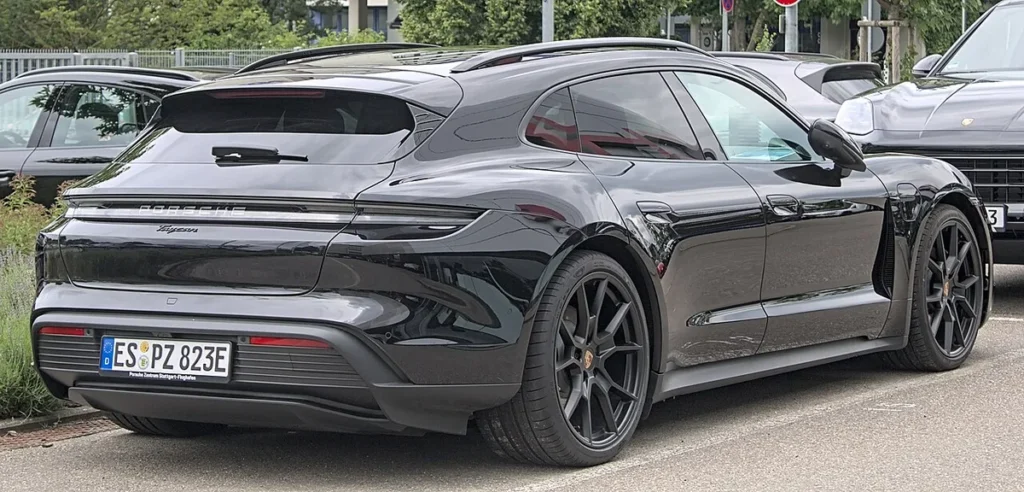
Then there’s the pace of the product itself. The Taycan launched in late 2019. It got a heavy mid-cycle update for 2025 with more range, more power and faster charging. For the 2027 model year, the larger Performance Battery Plus becomes standard on the Taycan, Taycan 4 and Taycan 4S. Every time Porsche makes the new car better, it makes the old one a little less desirable. Call it the battery tax: when the most expensive part of a car keeps getting better, last year’s car keeps getting cheaper.
And then there’s demand, which is where the story stops being normal.
America stopped showing up
In 2021, the Taycan was a phenomenon. Porsche delivered 41,296 of them worldwide, more than the 911’s 38,464. An electric sedan outsold the icon in a record year for the icon.
Fast forward. In 2025, Porsche Cars North America delivered 4,142 Taycans. That same year, the brand set an all-time U.S. record with 76,219 vehicles. Porsche was selling more cars than ever in America and almost nobody was taking home the electric one.
It got worse in 2026. In the first half of the year, Porsche sold 1,079 Taycans in the U.S., down from 2,083 a year earlier. In the second quarter alone, the number went from 1,064 to 472. North of the border, Porsche Cars Canada sold 97 Taycans in the first half of 2026, down from 140.
Europe tells the same story in miniature. In Spain, where the Turbo S went on sale in September 2019 at €189,528, DGT registration data compiled by Autonomía Coches Eléctricos shows 365 Taycans registered in 2023, 165 in 2025 and exactly one in August 2026. One car, in a country of 49 million people, in a whole month.
Porsche’s reaction says more than any press release. Earlier this year it stopped selling the Taycan Sport Turismo and Cross Turismo wagons in the U.S. When a carmaker starts deleting body styles in its biggest market, it’s not fine-tuning. It’s cutting losses.
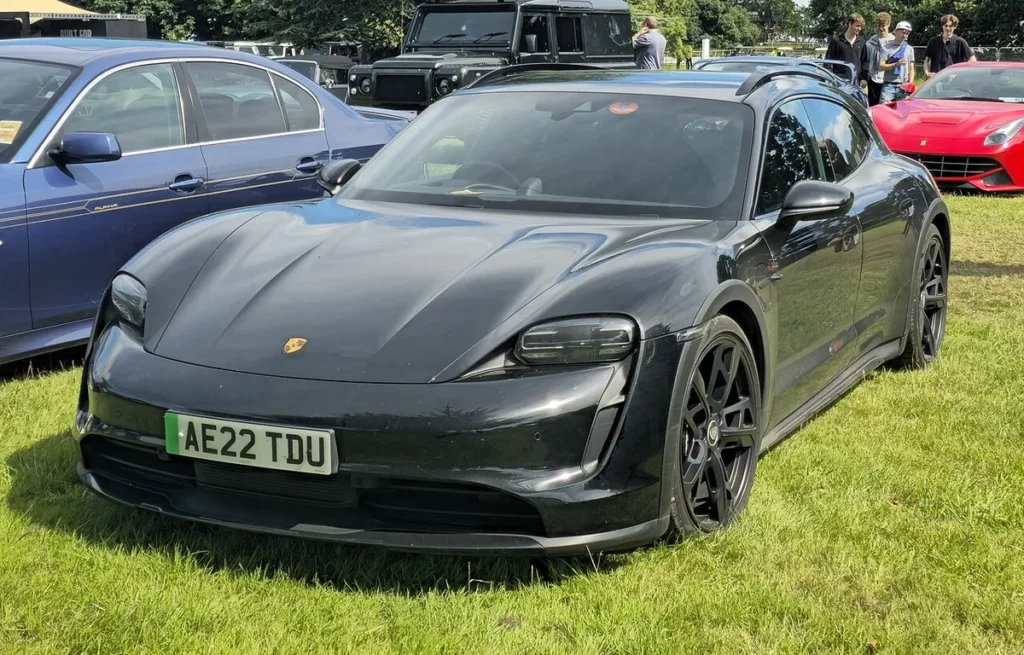
Globally, the curve looks the same. Taycan deliveries fell 49% in 2024, to 20,836. Another 22% in 2025, to 16,339. Through September 2026, the worldwide total sits at 8,699, down 31% from the year before.
Meanwhile, the used lot is booming
Most coverage skips this part. While new Taycans stall, Porsche’s certified pre-owned business is on fire. Porsche Approved CPO sales in the U.S. hit a record 48,092 units in 2025.
The CPO program is how Porsche puts a factory warranty back on a car the open market no longer trusts at full price. And for an electric Porsche, trust comes down to one component.
The battery question you have to ask
In October 2024, Porsche filed a recall with NHTSA, campaign number 24V732000, covering 27,527 Taycans from model years 2021 through 2024. The problem: a possible short circuit inside the high-voltage battery modules, with an increased risk of fire. According to the filings, it traced back to a manufacturing issue at supplier LG, whose batteries are assembled in Poland. The campaign expanded and replaced three earlier recalls.
Until the fix was done, affected owners were told to charge to no more than 80%. Porsche monitors the cars remotely where it can, runs a diagnostic at the dealer where it can’t, and replaces faulty modules for free. The final remedy was a dealer-installed diagnostic software update.
None of that makes a Taycan a bad buy. Porsche is paying for the repair, not you. But it changes the conversation at the dealership. If you’re shopping a used Taycan from those model years, run the VIN through NHTSA’s recall lookup before you fall in love with the paint. Ask for the dealer paperwork showing the recall work was completed. If the seller can’t show it, that’s leverage, and leverage is money.
How Porsche built a company for a car that didn’t exist
To understand why the Taycan’s value tanks, you have to understand what Porsche thought it was building.
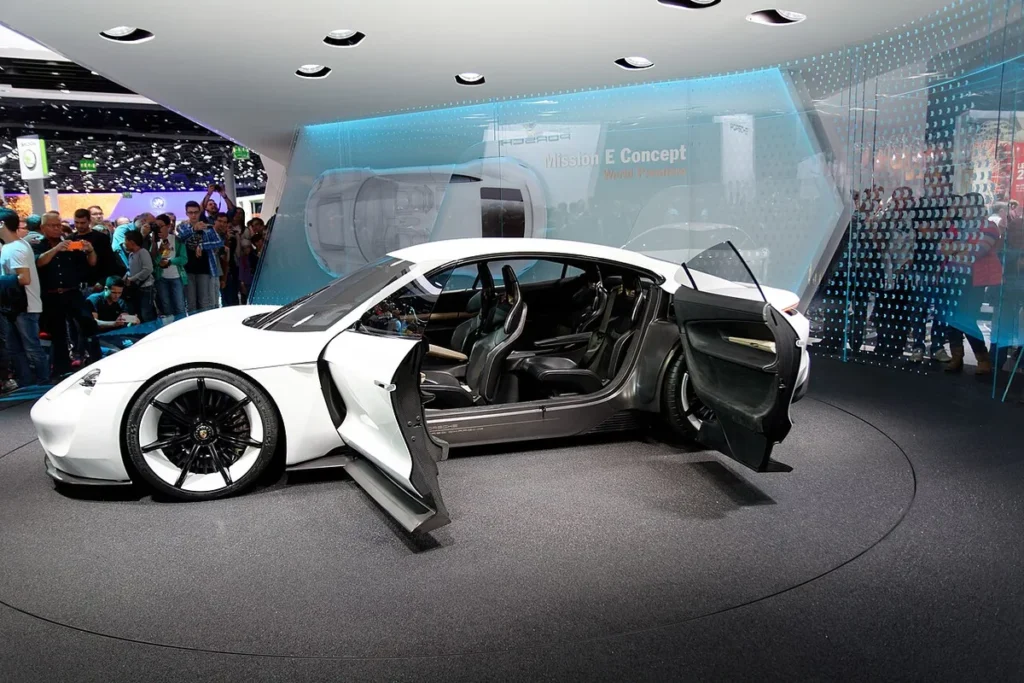
Porsche’s name had been on an electric car since the Lohner-Porsche of 1900, but the Taycan was the company betting real money. Back in 2018, when the car was still the Mission E, Porsche’s production boss Albrecht Reimold talked about a run of roughly 20,000 units a year. A niche car. Then 2021 happened, with 41,296 deliveries, and Stuttgart decided the niche was the new normal.
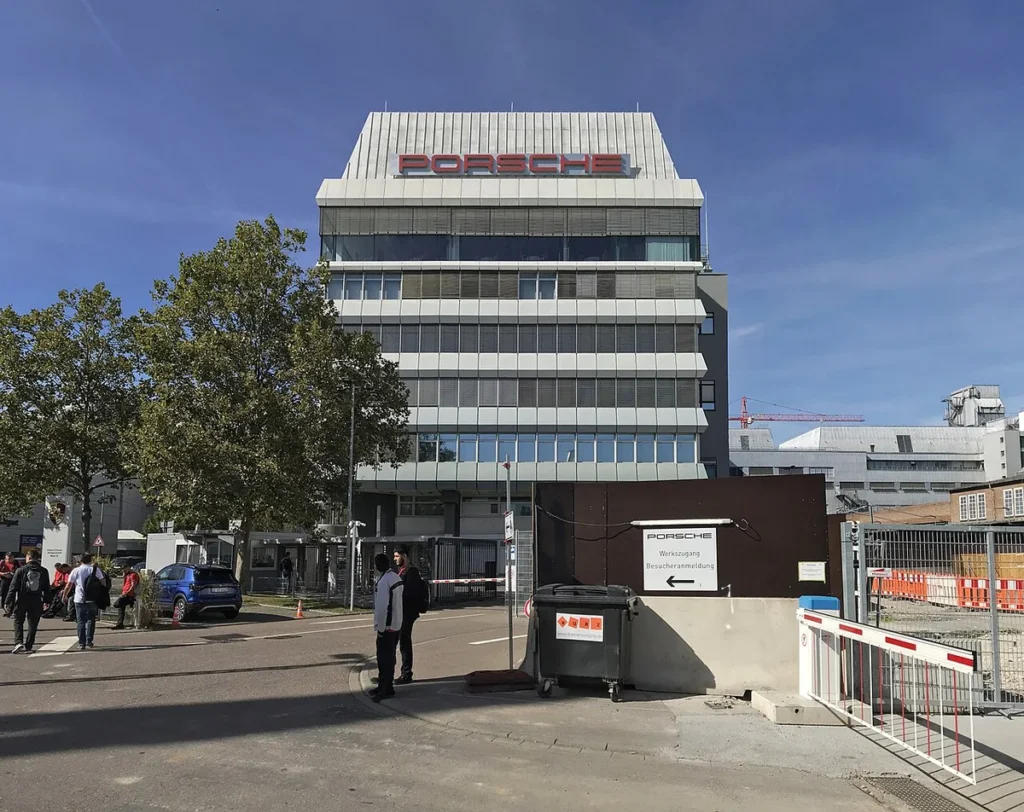
The factory was already huge. Porsche spent more than €700 million on the Taycan plant inside its Zuffenhausen headquarters, about €1 billion counting the new body shop, as part of more than €6 billion committed to electrification through 2022. Porsche’s own fact sheet bragged that the production area covered about 1.83 million square feet, half the size of Vatican City, and that the built volume, about 63.6 million cubic feet, was roughly 75% of the Great Pyramid of Giza.
Then came the target: more than 80% fully electric deliveries by 2030. In July 2024, Porsche rewrote it to say the product plan could hit 80%, but only depending on customer demand. Anyone who has sat through an earnings call knows what “depending on customer demand” means.
In June 2026, new CEO Michael Leiters told Frankfurter Allgemeine Sonntagszeitung that Porsche had put too much emphasis on EVs and planned around sustained sales growth. His summary of the new reality: Porsche has to make money even with fewer cars.
The bill, and the part Americans are paying
Porsche’s 2025 numbers are ugly. Group operating profit fell from €5.64 billion to €413 million. Operating margin dropped from 14.1% to 1.1%. The company booked about €3.9 billion in one-time charges: roughly €2.4 billion to realign its product strategy and resize the company, about €700 million for its battery activities, and another €700 million from U.S. tariffs.
That last line is the one that hits close to home. Porsche builds its cars in Europe, so every Taycan, every 911 and every Cayenne shipped to the U.S. pays the toll.
The battery line has its own story. Porsche set up a subsidiary called Cellforce to build its own high-performance battery cells. In August 2025 it killed in-house cell production, citing a lack of volume and economies of scale. In 2026 it announced Cellforce would close for good, as part of a package that also pulled Porsche out of the e-bike drive business. Cell plants pay off at millions of units a year. Porsche delivered 279,449 cars in all of 2025.
Blaming the Taycan for all of it would be lazy. China collapsed, tariffs bit, the gas Macan was pulled from Europe and the 718 went out of production. What the Taycan supplied was the evidence: two hot years that Stuttgart waved around while it signed the checks.
The 2030 question
In August 2026, the German business weekly WirtschaftsWoche reported, citing company sources, that Porsche management and the works council had agreed in principle to end Taycan production by 2030 at the latest, and had dropped a plan to move it to the Leipzig plant. Porsche did not confirm it. A spokesperson pointed back to Leiters’ line from July: there are no plans to discontinue the Taycan in the short term.
What happens after that is anyone’s guess, and Porsche isn’t saying. Back in 2024, Taycan model line boss Kevin Giek said a successor would not use the Macan Electric’s PPE platform. Since then, nothing official.
For a used buyer, the 2030 report cuts both ways. A model with a reported end date doesn’t get more desirable on the open market, and that pressure lands on resale prices. The other pressure never stops: every new EV that comes out makes your battery look a year older.
Porsche’s newest feature: fake gears
The 2027 Taycan, on sale in the U.S. with deliveries starting this fall, debuts an option called E-Shift. It simulates eight gears with steering-wheel paddles, shift jolts, gear-specific engine braking and a virtual rev limiter, plus a virtual tach and shift light. It’s standard on the Turbo GT. On other trims, according to newmobility.news, you need the Sport Chrono Package, Porsche Electric Sport Sound and one of the optional audio systems before you can even order it.
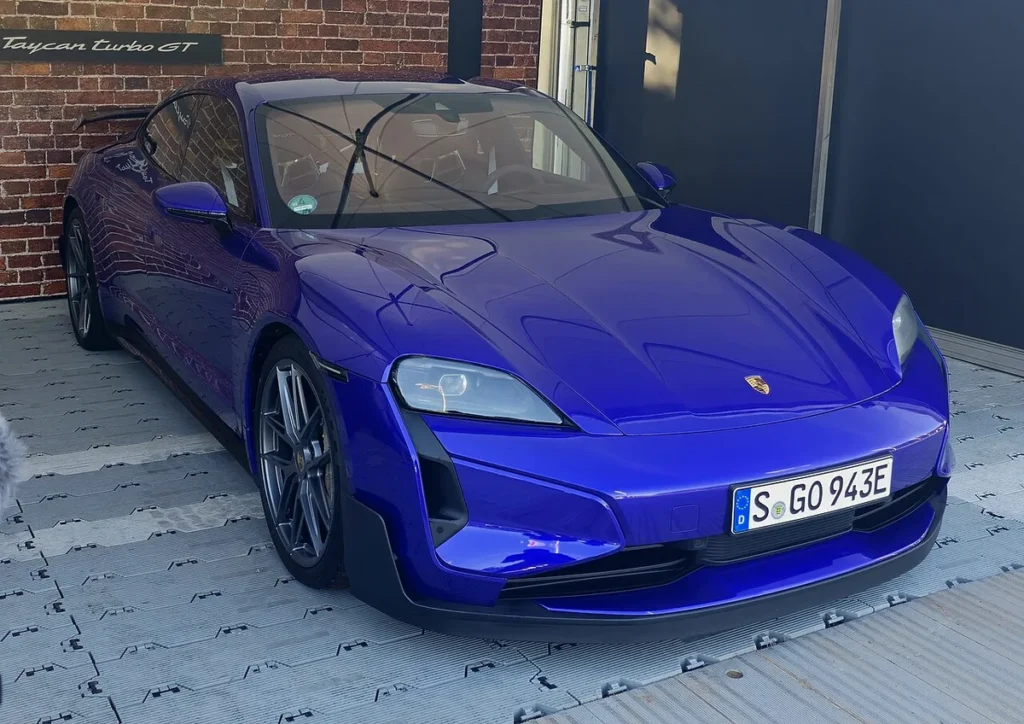
Hyundai got there first with the Ioniq 5 N, which simulates an eight-speed dual-clutch. Porsche, the brand that once sold the Taycan as proof that electric didn’t need to pretend, is now following a Hyundai.
We already covered in our EV transmission piece why an EV doesn’t need gears. Porsche knows it too. This isn’t engineering. It’s a sales pitch to the buyer who walked past the Taycan and bought a 911.
So, should you buy one?
Nobody at Porsche needs to apologize for the hardware. The Taycan was the first production car built on an 800-volt architecture, and the chassis, the brakes, the charging and the way it drives were never the problem. The problem was a company that read two hot years as a permanent shift and built a pyramid-sized factory around the idea.
Add up the deliveries Porsche has published since 2020 and the Taycan has passed 180,000 units. For a car planned at 20,000 a year, that’s a hit. Porsche turned it into a disaster by betting the company on it.
So yes, if you’ve wanted one, now is the time. Check the recall history, buy certified if you can, and let the first owner’s $54,000 be your discount. GM killed the EV1 because it didn’t believe anyone wanted it. Porsche wrecked its margins because it believed twice as many people did. The carmaker that reads the buyer right is still waiting to be built, and until then the second owner keeps winning.
Unplug and enjoy.
Images: Alexander Migl (CC BY-SA 4.0) · youkeys/Flickr (CC BY 2.0) · Gunnar Klack (CC BY-SA 4.0) · Calreyn88 (CC BY-SA 4.0) · Alexander-93 (CC BY-SA 4.0), via Wikimedia Commons.