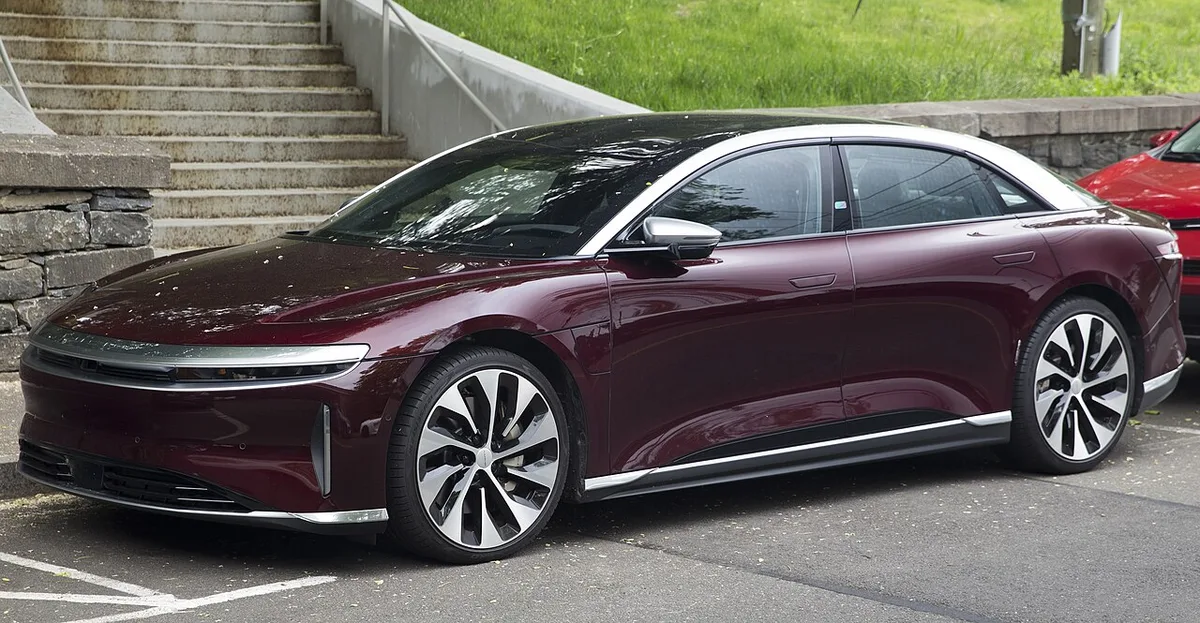
Lucid Air: America built the best EV on Earth and handed the keys to Saudi Arabia
The last decade of American electric-car startups is mostly a graveyard. Fisker went bankrupt in June 2024, its second corporate death. Nikola filed for Chapter 11 in February 2025, its founder already convicted of fraud. Lordstown, Canoo, a whole SPAC-fueled class of Tesla-chasers went public on a render and a promise and died on contact with a factory. And then there’s Lucid, the one that actually did it, the one that built, by the numbers, the best electric sedan on the planet. Here’s what nobody says out loud: the single American EV startup that delivered a world-beating car stays alive on Saudi oil money. The best EV this country ever engineered is, for all practical purposes, a Saudi state project with an Arizona address.
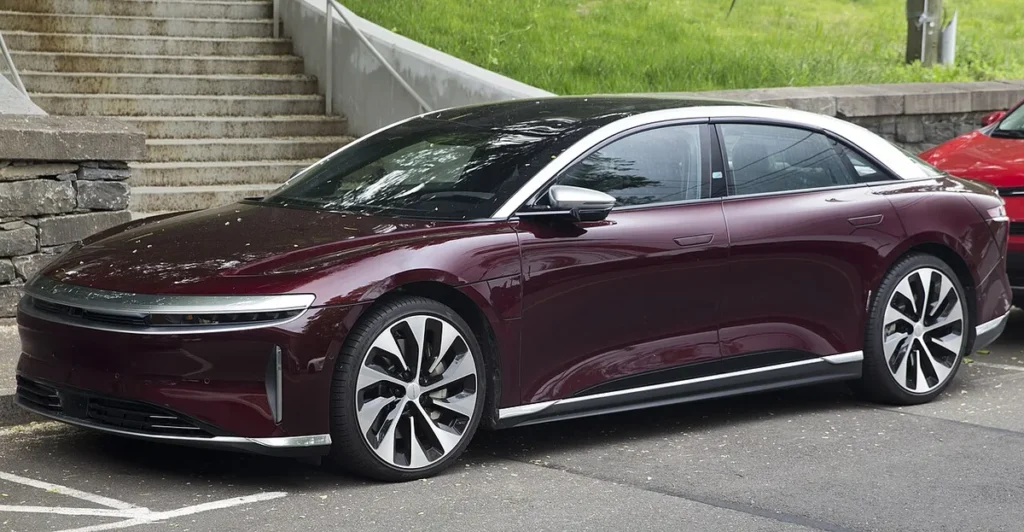
The car is not the problem. The car is spectacular.
Start with what isn’t up for debate. The Lucid Air Grand Touring is rated at 516 miles of EPA range on 819 horsepower; the 2022 Dream Edition Range hit 520 miles with 933 hp. No street-legal EV had cracked 500 miles on the EPA cycle before Lucid did it. Line it up against what else was on American lots that year: the 2021 Tesla Model S Long Range was rated at 405 miles, the 2022 Mercedes EQS 450+ at 350 from a 108-kWh pack.
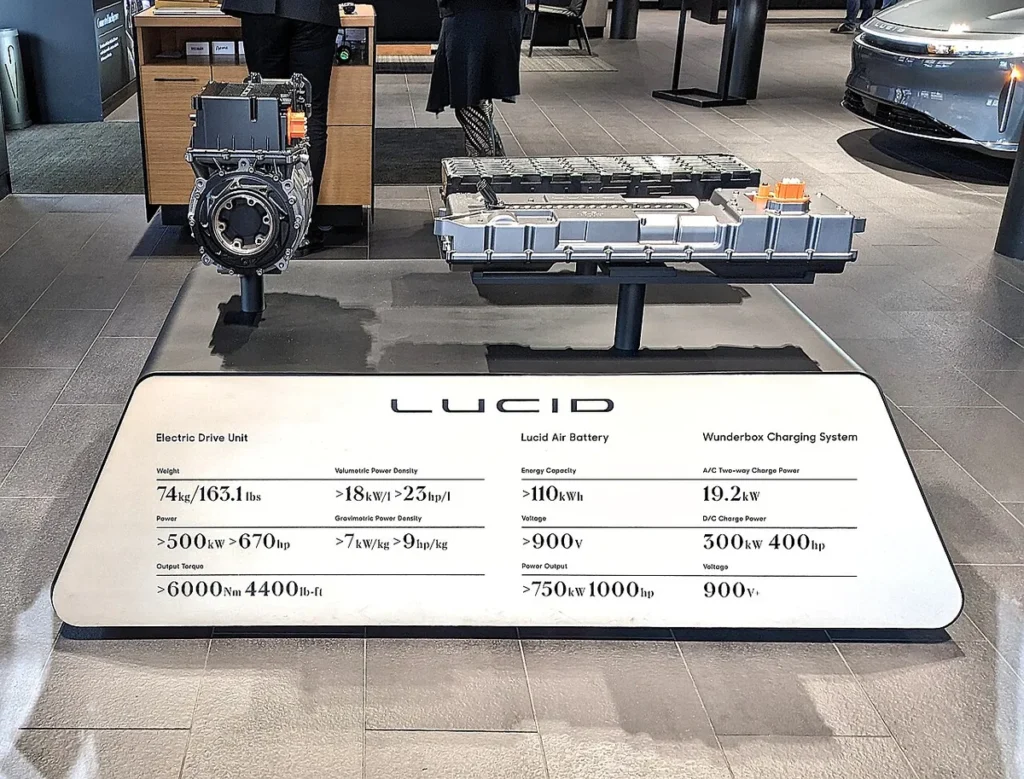
The Air does its trick with roughly 113 kWh, which works out to about 4.6 miles per kilowatt-hour. A GMC Hummer EV manages under 1.5. Same country, same era, more than three times the distance from every electron. The difference is engineering, not battery mass. The pack runs at 924 volts, above even the 800-volt systems Porsche and Hyundai made famous, so it pushes the same power with less current and loses less of it as heat. The cells are cylindrical 2170s, a format we break down in our guide to EV battery types. And the motor, transmission and differential are packed into one unit so small that Peter Rawlinson used to wheel it into events inside a carry-on suitcase, as The New York Times reported in 2020.
In June 2025 an Air Grand Touring drove from St. Moritz, Switzerland, to Munich and took a Guinness World Record: 749 miles, 1,205 kilometers, on a single charge. Anyone who wants to argue with Lucid’s engineering should bring data, because Lucid has all of it.
Tesla’s own engineer built the Tesla killer
The man behind it is Peter Rawlinson, a Welshman born in 1957, who was the chief vehicle engineer of the Tesla Model S, the car that took Tesla from the boutique Roadster to a real automaker. He joined Tesla in February 2009, and one week in he told Elon Musk the early Model S prototype was a “false dawn” and that his six-person team would have to restart from a clean sheet. He built that team out to 150 engineers, delivered the car, and left in January 2012 to go home to Britain and care for his aging mother. In 2013 he signed on as chief technology officer at a little-known battery company in the Bay Area. That company became Lucid.
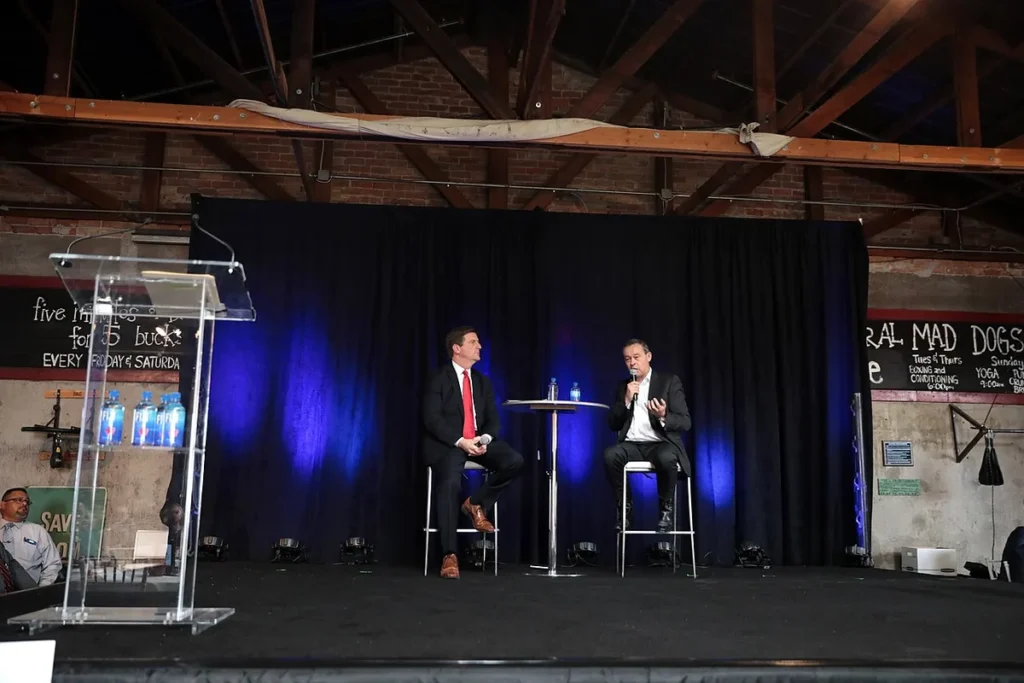
So the car meant to beat Tesla at its own game was designed by the engineer who designed the Tesla that started the revolution. The Air is what Tesla’s own Model S engineer does when you hand him a clean sheet and fresh capital. The engineering was never the question.
Wall Street’s favorite magic trick
The money came through the era’s hottest gimmick: a SPAC, a blank-check shell that lists first and finds a company to buy later. Lucid’s shell was Churchill Capital Corp IV, run by former Citi rainmaker Michael Klein, and it became the poster child for SPAC mania. Retail traders bid it up through January 2021 on nothing more than a rumor. On February 22 the $11.75 billion deal was made official; the next day the stock lost 38 percent when the filing showed Lucid expected to build just 557 cars that year. By April it was down 66 percent. Lucid finally began trading as LCID on the Nasdaq on July 26, 2021. The promise priced higher than the product: that pattern has clung to Lucid ever since.
The graveyard Lucid didn’t join
Look at the class Lucid graduated with. Nikola rolled a truck downhill for a promotional video and called it a demonstration; Trevor Milton was convicted of fraud in 2022, the company filed for bankruptcy in February 2025, and a month later Milton got a presidential pardon. Fisker built just over 10,000 Ocean SUVs in 2023, delivered fewer than half, and fell into Chapter 11 in June 2024. Lordstown burned through its cash and filed in 2023. Canoo went into Chapter 7 liquidation in January 2025. The common thread is that almost none of them could build a good car at scale. They sold the render and died at the factory door.
Lucid is the glaring exception, and that’s what makes its predicament so revealing. It cleared the bar every one of those companies tripped over. It engineered and manufactured a world-class vehicle in a factory it built from dirt in Casa Grande, Arizona, the first greenfield EV plant in the United States, broken ground in December 2019. And it still bleeds cash like the companies that never shipped. The graveyard is full of startups that couldn’t build the car. Lucid proves you can clear that hurdle and still need a king’s treasury to keep the lights on.
A money pit with a halo
In 2024 Lucid built 9,029 cars, delivered 10,241, and lost $3.06 billion attributable to shareholders, up from $2.8 billion the year before. Divide one by the other and you get the number that ricocheted around the industry: roughly $300,000 lost for every car it put on the road. That’s per car sold, not per car left on the lot.
In February 2025 Rawlinson stepped away from the CEO job, the CTO title and his board seat at once, staying on only as an adviser. Operations chief Marc Winterhoff took over as interim boss with orders to more than double output toward 20,000 cars on the back of the new Gravity SUV. Bank of America cut the stock to underperform with a one-dollar price target. By August 2025 the share price was so low that Lucid did a one-for-ten reverse split to keep it looking like a real stock.
2025 came in at 17,840 cars built, short of the 20,000 promised, and 15,841 delivered. The loss attributable to shareholders grew to $3.79 billion, around $240,000 per delivered car. Smaller per unit, bigger in total. Then 2026 got rough. In April, Lucid named an outsider as permanent CEO: Silvio Napoli, the former chairman and chief executive of Swiss elevator giant Schindler. In the first quarter the company lost $1.13 billion on just $282.5 million in revenue. In June it cut 18 percent of its U.S. workforce, its second mass layoff of the year, including 705 jobs in Arizona, killed the second shift at Casa Grande to work down unsold inventory, and Winterhoff left the company. The sub-$50,000 midsize SUV that was supposed to bring volume has slipped to the second half of 2027.
Who actually pays the bill
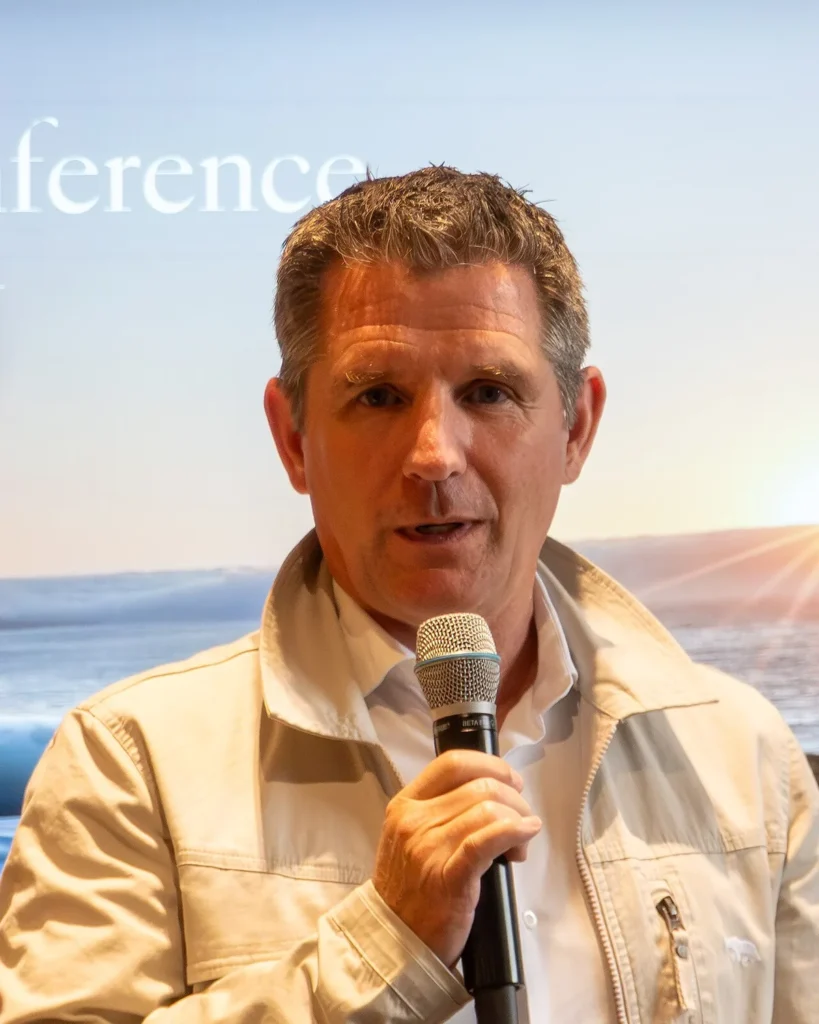
So if Lucid burns more than $3 billion a year, who writes the checks? The Public Investment Fund, the sovereign wealth fund of Saudi Arabia. The deal was announced in September 2018 at more than $1 billion and closed in April 2019. When Lucid listed in 2021, PIF owned 60 percent of it. The checks kept coming through its subsidiary Ayar Third Investment: $1.5 billion in August 2024, another $550 million in April 2026. In its latest SEC filing the fund reports roughly 57 percent of the shares and more than half of the board vote. Lucid itself tells investors it is a “controlled company” under Nasdaq rules. The most efficient electric car on Earth belongs to the world’s biggest oil exporter.
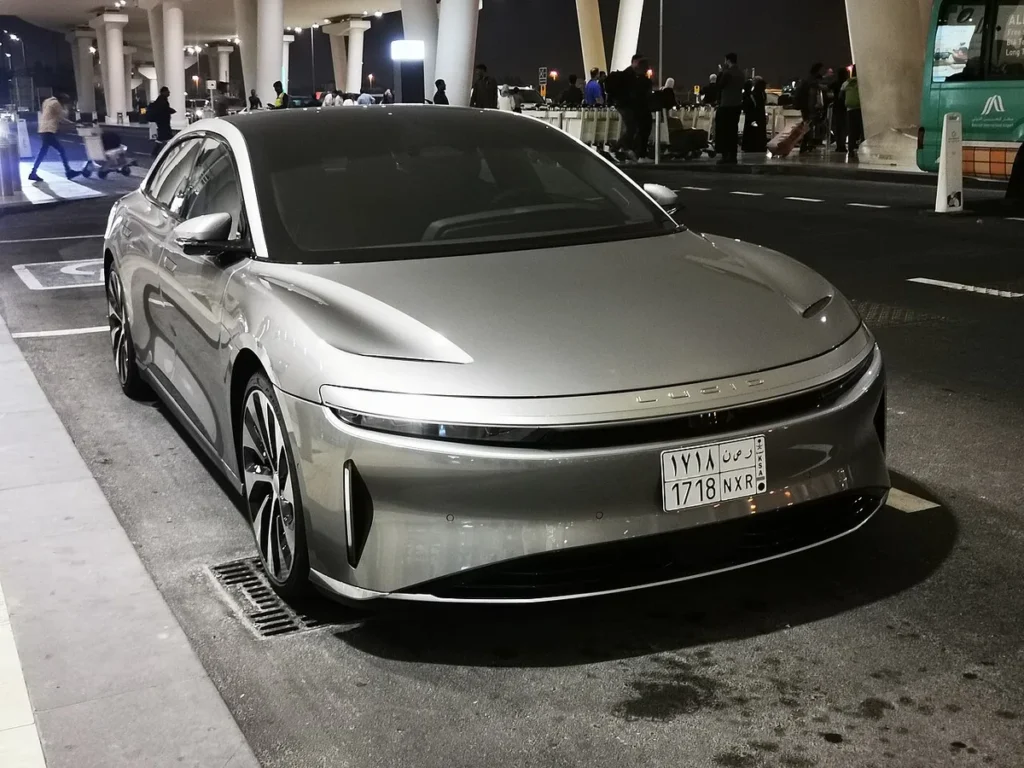
Saudi Arabia also builds it and buys it. On September 27, 2023, Lucid opened a plant in King Abdullah Economic City, near Jeddah, the first car factory in the kingdom’s history. For now it assembles about 5,000 kits a year shipped over from Arizona. The full plant, the one that will stamp, paint and build from scratch, was due to be finished by the end of 2026, and the 150,000-a-year target once promised for mid-decade now points to 2029. On top of that, the Saudi government committed to buying up to 100,000 Lucids over ten years: 50,000 firm and an option on 50,000 more. Owner, customer and assembly line, all in one hand.
There’s an American twist, too. Lucid’s newest big partner is Uber, which put in $300 million in July 2025, and $500 million in total after topping it up in 2026, to run Gravity robotaxis with Nuro’s self-driving hardware, a fleet commitment now at 35,000 vehicles or more. PIF wrote Uber a $3.5 billion check back in 2016. Follow the money around Silicon Valley’s EV and ride-hailing bets and you keep landing in Riyadh.
The car sold as the clean future of mobility is alive because a petro-monarchy pays for it, builds it at home and promised to buy it. GM once let oil politics help it crush the EV1. Lucid has oil paying its payroll.
Five in Spain
NEB has a Spanish heart, so here is the view from there: almost nothing. Lucid has no store and no importer in Spain. It sells in Germany, the Netherlands, Norway and Switzerland, and its Spanish launch, pencilled in for 2026, has slipped to 2027 according to internal sources quoted by Electrive in June 2026. DGT registration data compiled by autonomiacocheselectricos.es through September 2026 shows five Lucid Airs on Spanish plates since 2025, all of them company cars. Saudi Arabia’s purchase commitment is twenty thousand times that.
Maybe the real business was never the car
Lucid didn’t start life as a carmaker. It was founded in 2007 as Atieva, by former Tesla vice president Bernard Tse, Sam Weng and Sheaupyng Lin, to build batteries and powertrains for other companies’ vehicles. It built packs for electric buses in China with cell maker Lishen, sold a 25 percent stake to Chinese state carmaker BAIC in 2014, and didn’t become Lucid Motors until October 2016.
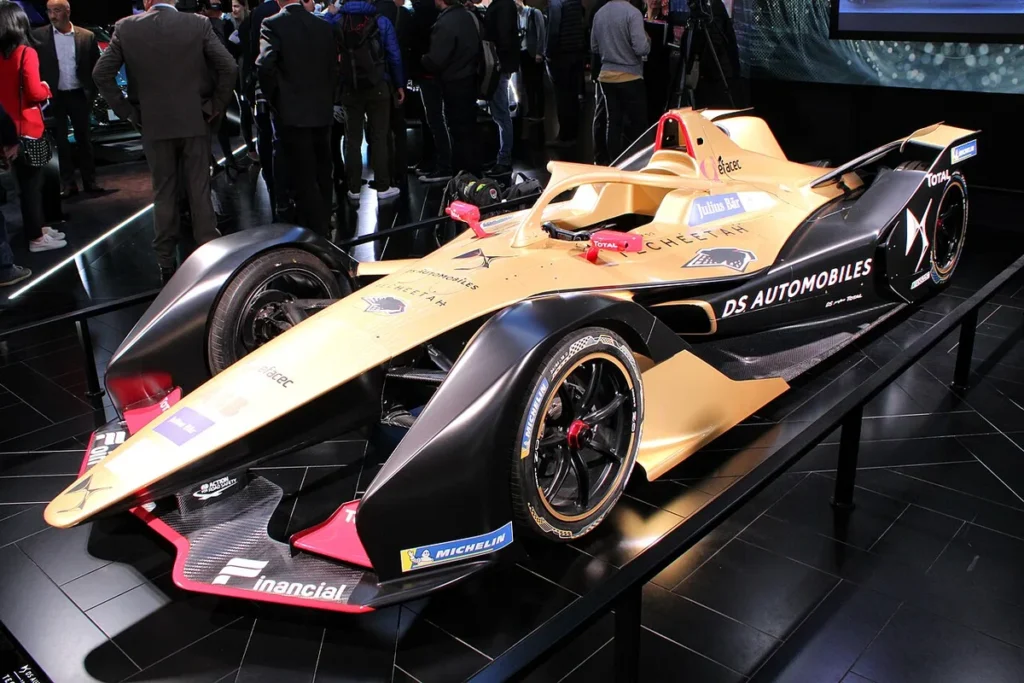
That same fall, the company joined McLaren Applied Technologies and Sony in the consortium that won the FIA tender to supply every battery for Formula E’s second-generation car. The first-generation pack, around 28 kWh, couldn’t last a race; drivers jumped into a second car halfway through. The new one held 54 kWh, delivered up to 250 kW, and went the distance. It made its race debut on December 15, 2018, at the Ad Diriyah ePrix, just outside Riyadh, four months before Saudi money closed on Lucid. The whole grid ran on it through the 2021-22 season.
That supplier DNA is resurfacing. In June 2023 Lucid signed a deal to supply motors, transmissions and batteries to Aston Martin, worth about $450 million: $132 million in cash, a 3.7 percent stake in Aston Martin valued at $100 million, and at least $225 million in guaranteed parts orders. Croatia’s Mate Rimac split his supplier business into Rimac Technology and let his hypercars play shop window. Lucid could end up the same way, the “Intel inside” of other people’s EVs, with the Air as the world’s most expensive showroom for the catalog. A showroom that cost $300,000 a unit to keep stocked.
The verdict
Here’s NEB’s read.
America tells itself a story about plucky startups out-innovating the incumbents. Lucid is where that story gets complicated, and that’s exactly why it matters. This isn’t Nikola selling a truck that rolled downhill. Lucid built the real thing in Arizona, the best electric car money can buy, by an engineer who already built the car that started the revolution, and it still couldn’t turn that into a company that stands on its own two feet. Porsche, with a century of brand and a global dealer network, just learned the same lesson with the Taycan. Making the best product on Earth is not a business model. It never was.
Then there’s the part that should stick in an American throat. The most efficient car you can buy is kept breathing by the one country whose economy runs on selling the fuel that car exists to replace. Call it irony, call it Riyadh hedging for the day oil is worth less: the post-gasoline future, in this case, is being bankrolled by gasoline. Rawlinson built the perfect car and walked before fixing the company. His interim successor lasted fifteen months in the chair. The company is now run by a man who used to sell elevators, and the history of the electric car has never had a stranger chapter.
The first Lucid battery to race did it in Saudi Arabia in December 2018. Eight years later, the one still holding the wheel is Saudi Arabia.
Unplug and enjoy.
Images: Mr.choppers (CC BY-SA 3.0) · DutchTreat (CC BY-SA 4.0) · Gage Skidmore/Flickr (CC BY-SA 2.0) · Alexander Migl (CC BY-SA 4.0) · ToyGTone (CC0) · Matti Blume (CC BY-SA 2.0), Wikimedia Commons.